Circuit Rhythms Guiding Possession Forecasts in Soccer Alongside Rebound Patterns in Basketball for Diversified Multi-Leg Wager Frameworks
Finley Becker · Sep 19, 2026
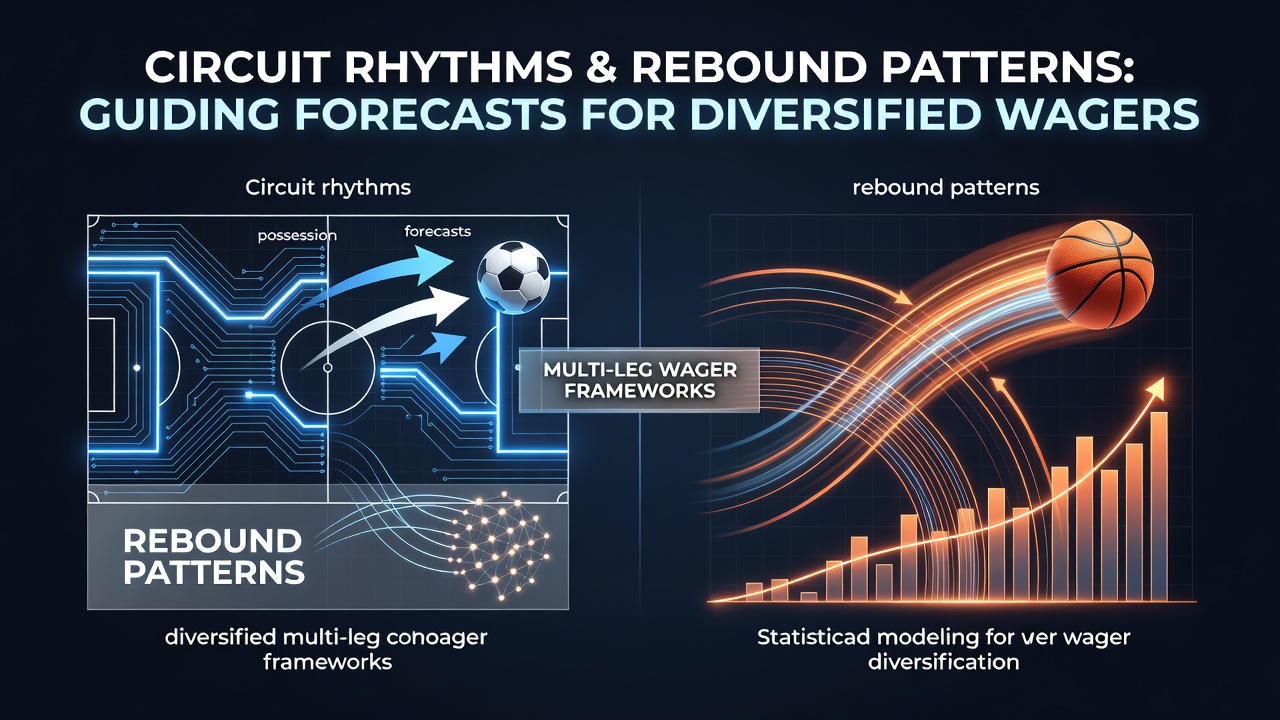
Circuit Rhythms Guiding Possession Forecasts in Soccer Alongside Rebound Patterns in Basketball for Diversified Multi-Leg Wager Frameworks
Data from major European soccer leagues and North American basketball conferences reveal recurring cycles in team performance metrics that bettors incorporate into multi-leg wager structures. Analysts track these circuit rhythms through possession percentages in soccer, where teams often follow predictable sequences tied to fixture congestion and travel demands, while rebound rates in basketball provide parallel indicators of defensive efficiency and second-chance opportunities during extended conference schedules. Researchers at sports analytics institutes note that possession forecasts gain reliability when examined across multiple matchweeks rather than isolated fixtures. In September 2026, early-season data from the English Premier League and La Liga showed teams averaging 52 percent possession after international breaks, with those figures climbing to 57 percent during home stretches of three or more games. These patterns align with rebound statistics from the NBA and EuroLeague, where squads posting above-average defensive rebound percentages in the first quarter maintain that edge through the remainder of back-to-back sets.Cross-Sport Metric Integration
Observers combine soccer possession trends with basketball rebound data to construct diversified accumulator frameworks that spread risk across leagues and bet types. A typical structure might link a soccer team projected to hold 55 percent possession against a mid-table opponent with a basketball side expected to secure 48 percent of available rebounds in a road contest. Statistical models from industry reports indicate such pairings reduce variance compared to single-sport accumulators because the underlying rhythms operate on independent schedules and venue factors.
One dataset compiled by European betting research groups demonstrates that soccer teams maintaining possession cycles above their seasonal average produce over-2.5 goal outcomes at a 61 percent clip when paired with basketball teams exceeding rebound benchmarks. This approach allows wager builders to layer additional legs from horse racing or tennis without overloading exposure to any single sport's volatility.
Seasonal Timing Considerations
September 2026 marks the convergence of several league calendars, creating overlapping windows where circuit rhythms become more pronounced. Soccer squads in the UEFA Champions League phase often experience possession dips midweek before recovering on domestic weekends, while basketball teams in the early NBA regular season adjust rebound priorities based on opponent pace. Tracking these adjustments through official league databases helps refine multi-leg selections that span both codes.
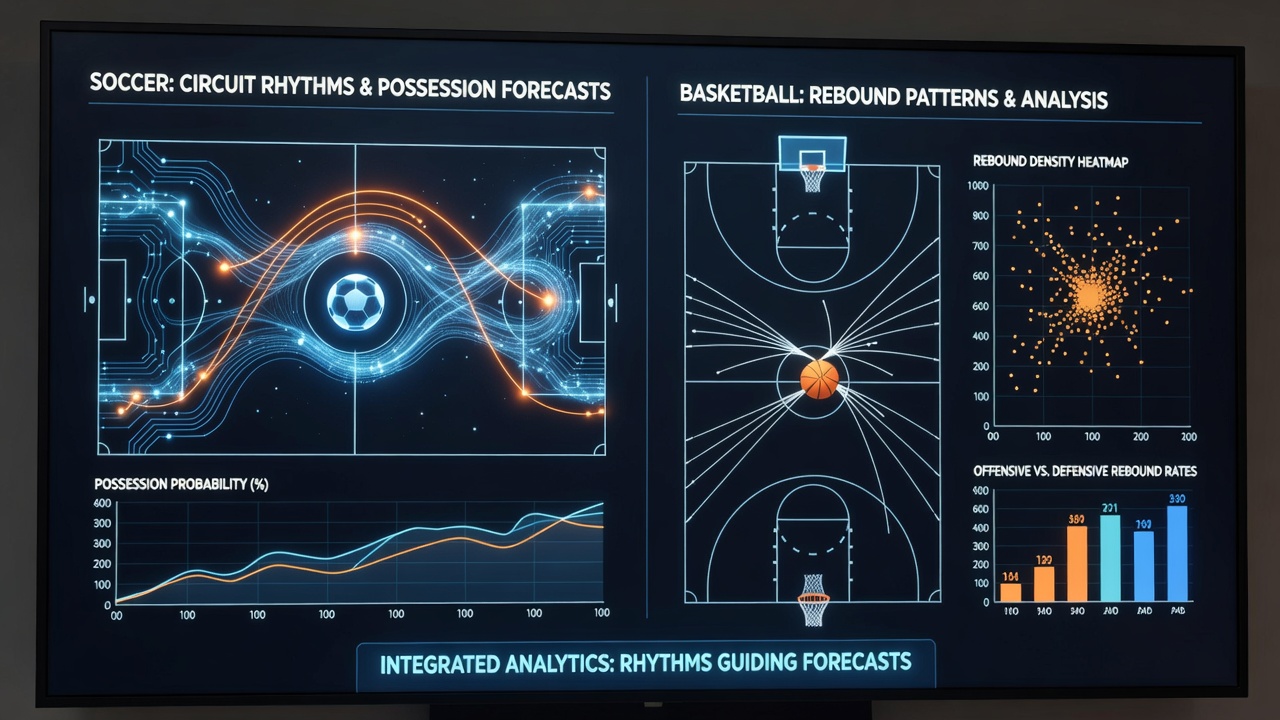
Framework Construction Methods
Betting platforms increasingly offer builder tools that incorporate these metrics directly. Users select soccer possession thresholds alongside basketball rebound targets, then extend the slip with correlated outcomes such as total points or clean sheets. Figures released by the Australian Gambling Research Centre show that accumulators built on dual-sport rhythm data achieve completion rates between 28 and 34 percent for four-leg combinations when filters exclude outlier performances from the prior 10 fixtures.
Additional layers incorporate defensive metrics that complement the core indicators. Soccer teams with low possession but high pass-completion rates in their own half frequently pair with basketball squads that control the defensive glass at elevated rates during transition-heavy periods. This pairing exploits complementary strengths rather than forcing alignment between unrelated statistics.
Data Sources and Validation
Validation studies from academic sports science departments confirm that possession and rebound cycles exhibit measurable periodicity across seasons. Models built on five years of league data identify repeating intervals of 6 to 8 matches where teams return to baseline possession or rebound levels after disruptions such as injuries or coaching changes. These intervals provide reference points for timing entry into multi-leg wagers that extend across two or three weeks of fixtures.
Regulatory bodies including the National Council on Problem Gambling publish guidelines encouraging transparent use of performance data in betting decisions. National Council on Problem Gambling resources emphasize responsible application of statistical models without guaranteeing outcomes. Industry organizations such as the European Gaming and Betting Association similarly track aggregate usage patterns across markets. European Gaming and Betting Association reports document rising adoption of cross-sport accumulators among participants seeking diversified exposure.
Conclusion
Integration of soccer possession forecasts with basketball rebound patterns supplies a factual basis for constructing multi-leg wager frameworks that draw on independent performance cycles. Data collected through league tracking systems and academic validation continues to support structured application of these metrics within defined seasonal windows, including the September 2026 period of overlapping calendars. Observers note that continued refinement of these models depends on consistent updates from official statistical feeds across both sports.